

When Is a Crown Needed?
- Extensive tooth decay: When a large portion of the tooth structure has been lost. [1, 2, 3, 4]
- Cracked or fractured teeth: To protect the remaining tooth structure and restore function. [1, 2, 3, 4]
- Large existing fillings: When there is not enough healthy tooth structure to support another filling. [1, 2, 3, 4]
- After root canal treatment: To protect certain teeth that are weakened or at greater risk of fracture. [1, 2, 3, 4]
- Severely worn teeth: To restore teeth damaged by grinding or excessive wear. [1, 2, 3, 4]
- Cosmetic concerns: To improve the shape, size, or appearance of a tooth when other treatments are not suitable. [1, 2, 3, 4]
- Dental implants: A crown can be attached to an implant to replace a missing tooth. [1, 2, 3, 4]
To make room for a crown, the dentist reshapes the tooth by removing some enamel and dentin, the layer beneath the enamel. [1, 2]
Medical Conditions That Can Affect Success
Crown placement is generally not a surgical procedure, but your overall health remains important. Tell your dentist about the following conditions.
Teeth Grinding or Clenching (Bruxism)
If you grind or clench your teeth, tell your dentist and ask whether an occlusal guard (night guard) is recommended. [1]
Metal Allergies
For patients with a metal allergy, metal-free crowns, such as all-ceramic or porcelain crowns, may be an option. Tell your dentist about any known metal allergy. [1]
Blood Thinners (Anticoagulants and Antiplatelet Medications)
These medications may increase gum bleeding during crown preparation, impressions, or placement, making it harder to keep the area dry. The dentist can usually manage this bleeding. Patients should never stop or adjust these medications on their own; any changes must be coordinated with the prescribing healthcare provider. [5]
Benefits
- Restore the strength and function of damaged teeth. [1]
- Protect weakened teeth from further fractures. [1]
- Improve chewing and biting. [1]
- Restore the appearance of broken, worn, or discolored teeth. [1]
- Help protect certain teeth after root canal treatment. [1]
- Provide a durable, natural-looking restoration. [1]
- Replace missing teeth when attached to dental implants. [1]
How Does It Work?
Step 1
The tooth is prepared
If needed, the dentist uses restorative material to rebuild parts of the tooth (core build-up) and create a stable foundation for the crown. [1]
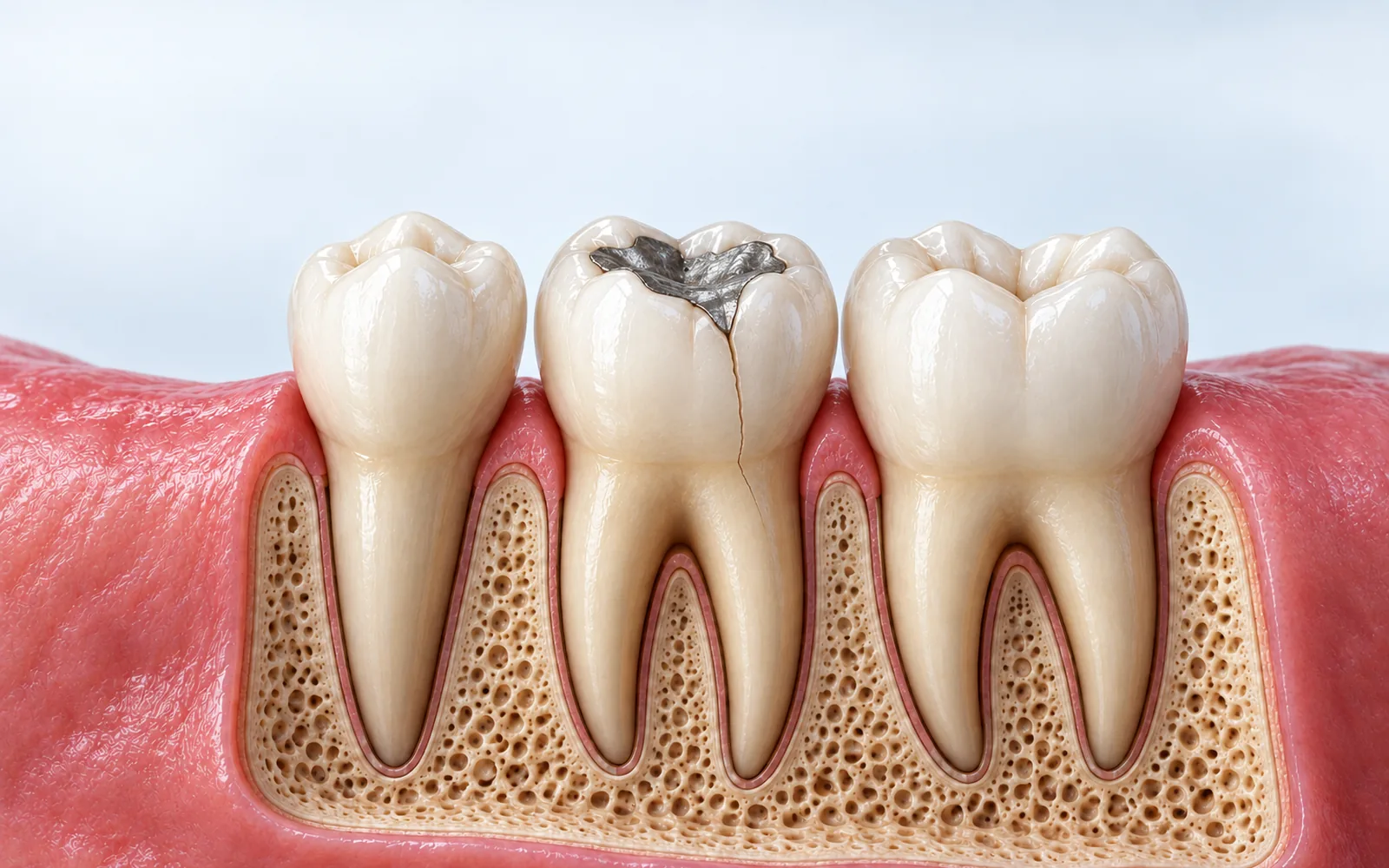
A cracked, weak tooth · Illustration: MexicoDentalTreatment.com Step 2
The tooth is shaped and scanned
The dentist prepares (reshapes) the tooth so the crown can fit over it, then takes a digital scan or an impression. A temporary crown is placed while the dental laboratory fabricates the final crown. [1, 2]
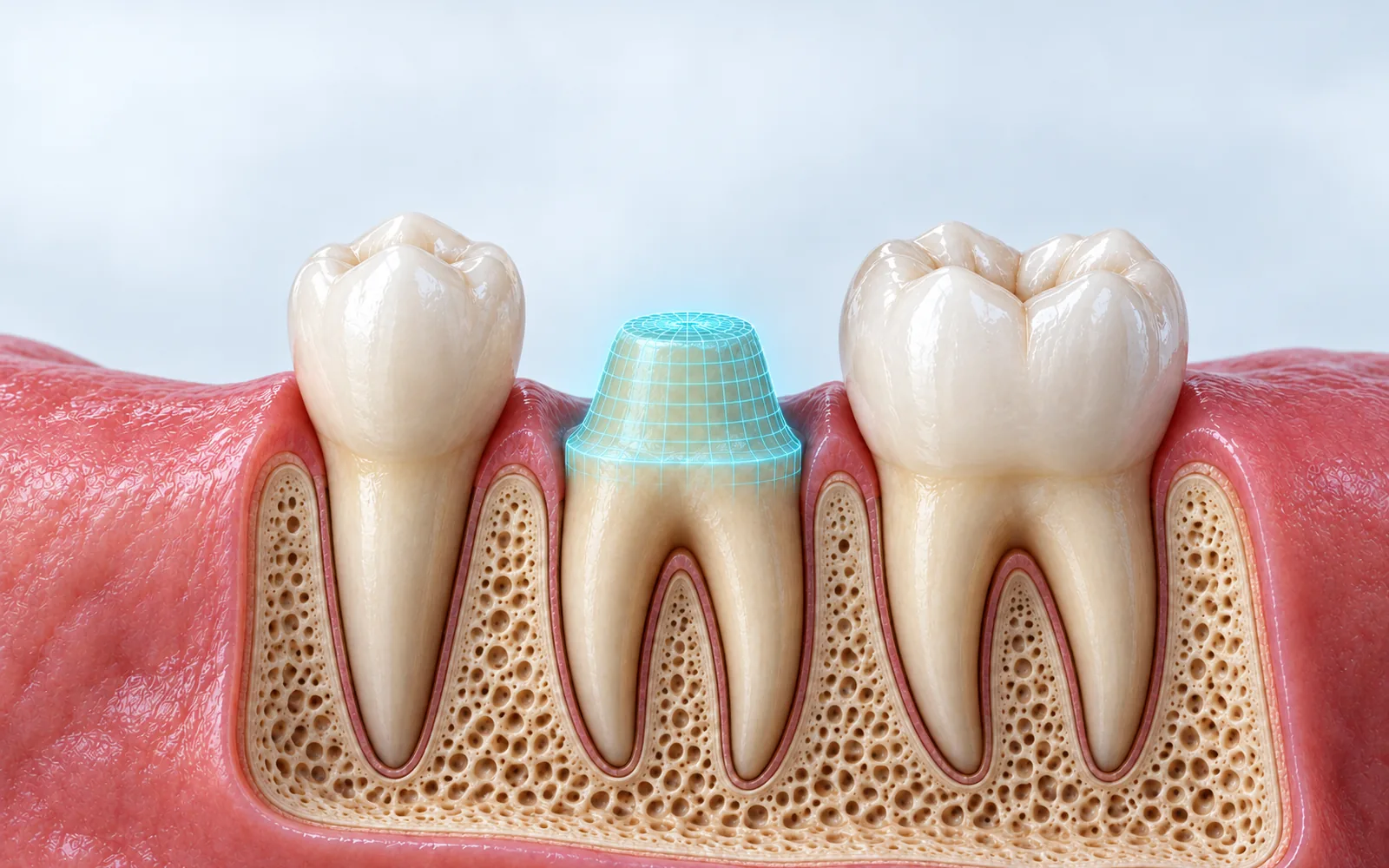
The tooth is shaped and scanned · Illustration: MexicoDentalTreatment.com 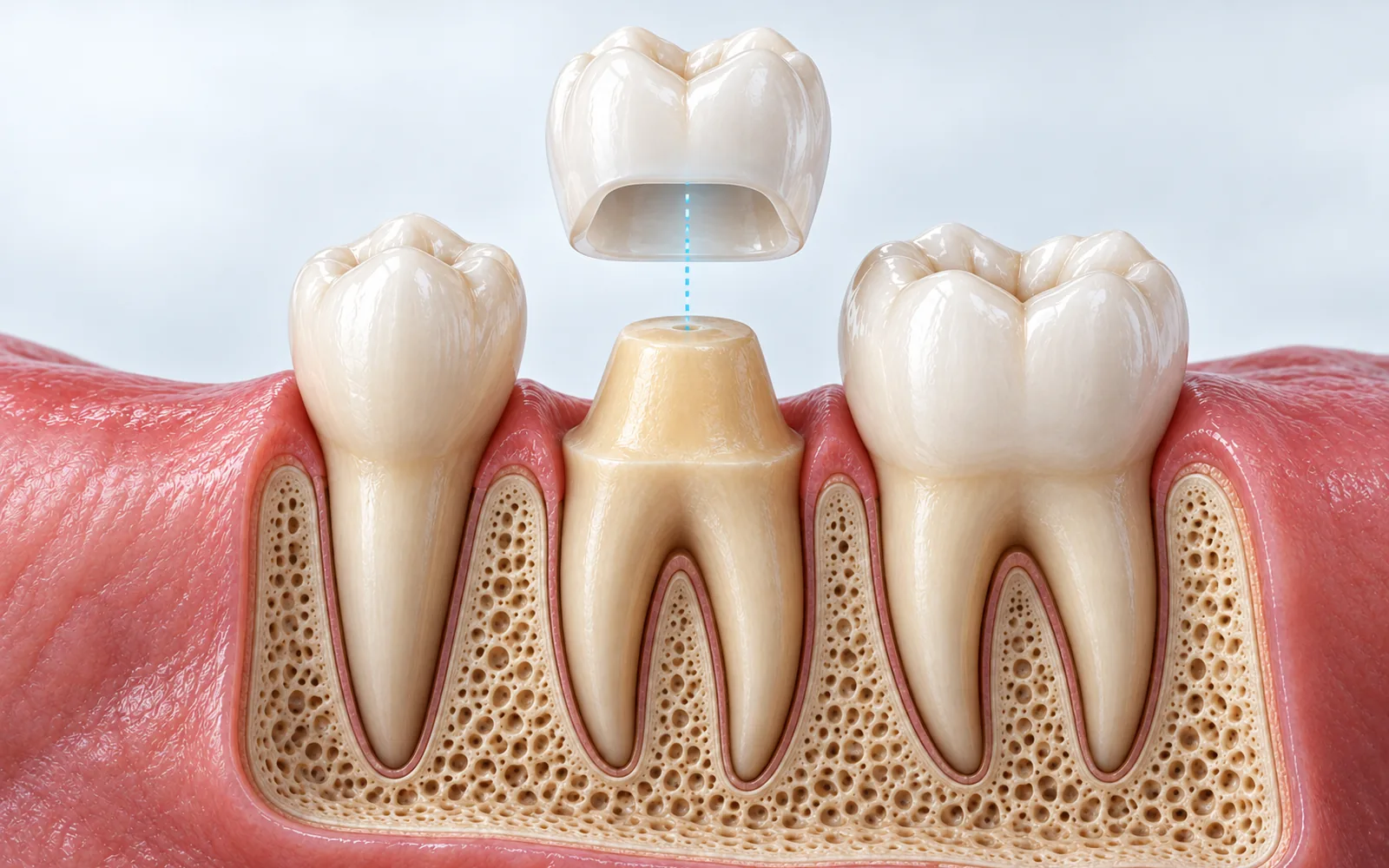
The crown goes over the tooth · Illustration: MexicoDentalTreatment.com 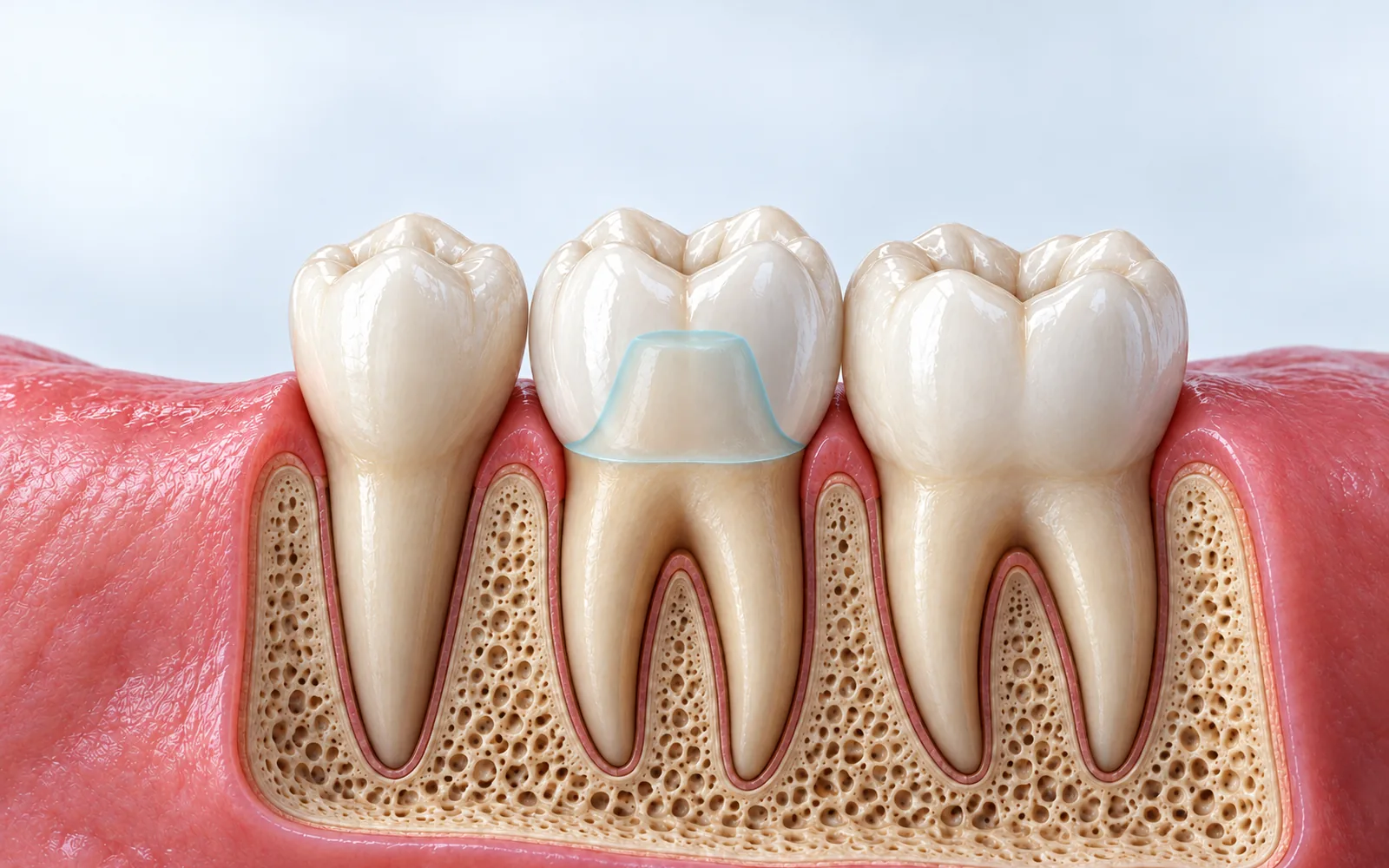
The finished crown · Illustration: MexicoDentalTreatment.com
How Long Does Treatment Take?
Many crowns require two visits: one to shape the tooth and one to place the final crown. Some clinics fabricate crowns on site with a milling machine (CAD/CAM), in some cases in a single day. If you are traveling to Mexico, ask how many days to plan to stay, or whether a second trip will be required. [1]
Crown Materials
Crowns are available in different materials. Zirconia and other all-ceramic crowns are tooth-colored and commonly used today; metal and other materials are also available. Each material has advantages and disadvantages in strength and appearance, so ask your dentist why a particular material is recommended for your tooth. [1, 2]
Dental crown cost in Mexico
Zirconia crown (on a natural tooth) in Los Algodones, Mexico: $300–$650 USD per tooth, based on prices from 26 Los Algodones clinics; about 60–70% less than typical US prices. 1 other clinic quotes from $826.
What Changes the Price
- The crown material, such as zirconia or another ceramic.
- The number of crowns required.
- Whether the tooth needs additional treatment first, such as root canal treatment, a core build-up or a post and core, and whether it is included in the quote.
- Whether a temporary crown is included in the quote.
- Whether the crown is made in the clinic, on the same day, or by an outside dental laboratory.
How Long Does It Last?
Crowns can last many years, and with proper care, some may last considerably longer. Over time, a dental crown may chip, crack, or fracture. A poorly fitting crown may also allow bacteria to accumulate along its margins, increasing the risk of tooth decay. [1]
Crown Risks and Alternatives
Dental crowns are generally safe and effective, but potential risks include temporary tooth sensitivity, discomfort, and irritation of the surrounding gums. Over time, a crown may chip, crack, or fracture. A poorly fitting crown may allow bacteria to accumulate along its margins, increasing the risk of tooth decay. In some cases, the pulp inside the tooth may become irreversibly inflamed, requiring root canal treatment. [1, 6]
A dental crown does not prevent the underlying tooth from developing decay, particularly around the margins where the crown meets the natural tooth. Maintaining good daily oral hygiene, including brushing and flossing, is essential to help prevent decay and maintain the health of the surrounding gums. A water flosser can also be a helpful addition to daily oral hygiene. [1, 6, 7]
Depending on the condition of the tooth, alternatives may include dental fillings, inlays, onlays, or veneers, which may preserve more natural tooth structure. Veneers are primarily used to improve the appearance of front teeth, while fillings, inlays, and onlays can restore certain types of tooth damage. However, these alternatives may not provide sufficient protection for teeth that are severely damaged or weakened. The most appropriate treatment depends on the condition of the tooth and the patient’s individual needs. [1, 3]
Caring for a Crown
Dental crowns require the same daily care as natural teeth. Brush twice a day with fluoride toothpaste, floss daily, and maintain regular dental checkups. Avoid chewing very hard foods that could chip or damage the crown. Patients who grind or clench their teeth may benefit from wearing a night guard. Mild sensitivity is common after crown placement and usually improves within a few weeks. If sensitivity persists or becomes worse, patients should contact their dentist. [1, 3]
Questions to Ask Your Dental Clinic
- Why does this tooth need a crown rather than a filling?
- What material do you recommend, and why?
- Is the crown made in the office or in an outside dental laboratory, and how many days will it take?
- Does the quote include the temporary crown and any build-up?
- What happens if the crown becomes loose or breaks after I return home?
- Is there a written guarantee, and what does it cover?
Frequently asked questions
Will I need a temporary crown?
In many cases, yes. When the final crown is fabricated in a dental laboratory, a temporary crown, typically made of acrylic or resin, is placed to protect the prepared tooth while the permanent crown is being made. [1]
Is getting a crown painful?
Local anesthesia is used to prevent pain during the procedure, and additional anesthetic can be given if needed. Some sensitivity after placement is expected. Contact your dentist if pain is severe or persistent. [1]
What if my crown becomes loose after I return home?
Contact your dentist if a crown becomes loose, cracks, or chips. Before treatment, ask the clinic how repairs are handled after you return home. [1]
Words to know
- Root canal treatment:
- a procedure that removes infected or damaged pulp, the tissue inside the tooth that contains the nerve and blood vessels.
- Core build-up:
- restorative material used to rebuild a damaged tooth, so that the crown has a stable foundation.
- Zirconia:
- a strong, tooth-colored ceramic material used for crowns.
Supporting sources
This guide is based on information from the sources listed below. These organizations are cited for reference only and have not reviewed or endorsed this content.
- [1]Cleveland Clinic. Dental Crowns. Read source · read Oct 23, 2026
- [2]NHS. Dental treatments. Read source · read Oct 23, 2026
- [3]American Dental Association (MouthHealthy). Crowns. Read source · read Oct 23, 2026
- [4]Cleveland Clinic. Dental Bridges. Read source · read Oct 23, 2026
- [5]American Dental Association. Oral Anticoagulant and Antiplatelet Medications and Dental Procedures. Read source · read Oct 23, 2026
- [6]Clinical complications in fixed prosthodontics. The Journal of Prosthetic Dentistry (peer-reviewed). Read Study
- [7]American Dental Association (MouthHealthy). Flossing. Read source · read Nov 12, 2026
- [8]Cleveland Clinic. Dental Implants. Read source · read Oct 23, 2026
Medical Disclaimer
This page is provided for educational purposes only and is not a substitute for professional dental advice, diagnosis, or treatment.
Whether a crown is appropriate depends on the condition of the tooth, oral health, medical history, and treatment needs.
Consult a qualified dental professional for a personalized evaluation before undergoing treatment.