

What is a dental filling
A dental filling is a restoration that replaces missing tooth structure and restores the tooth’s shape and function. A dentist can use filling material to repair an area affected by decay or minor damage, or to seal the opening made in the tooth during root canal treatment. [1, 2]
When you might need a filling
Your dentist may recommend a filling if you have a cavity and enough healthy tooth structure remains to support the repair. An early area of decay can sometimes be treated with fluoride while the tooth surface is still intact. [1, 3]
Types of dental filling materials
Composite resin (tooth-colored fillings). Composite resin bonds to the tooth and comes in different shades. Your dentist selects a shade that closely matches the natural color of the tooth being restored. Composite resin can be used on both front and back teeth. [4, 5]
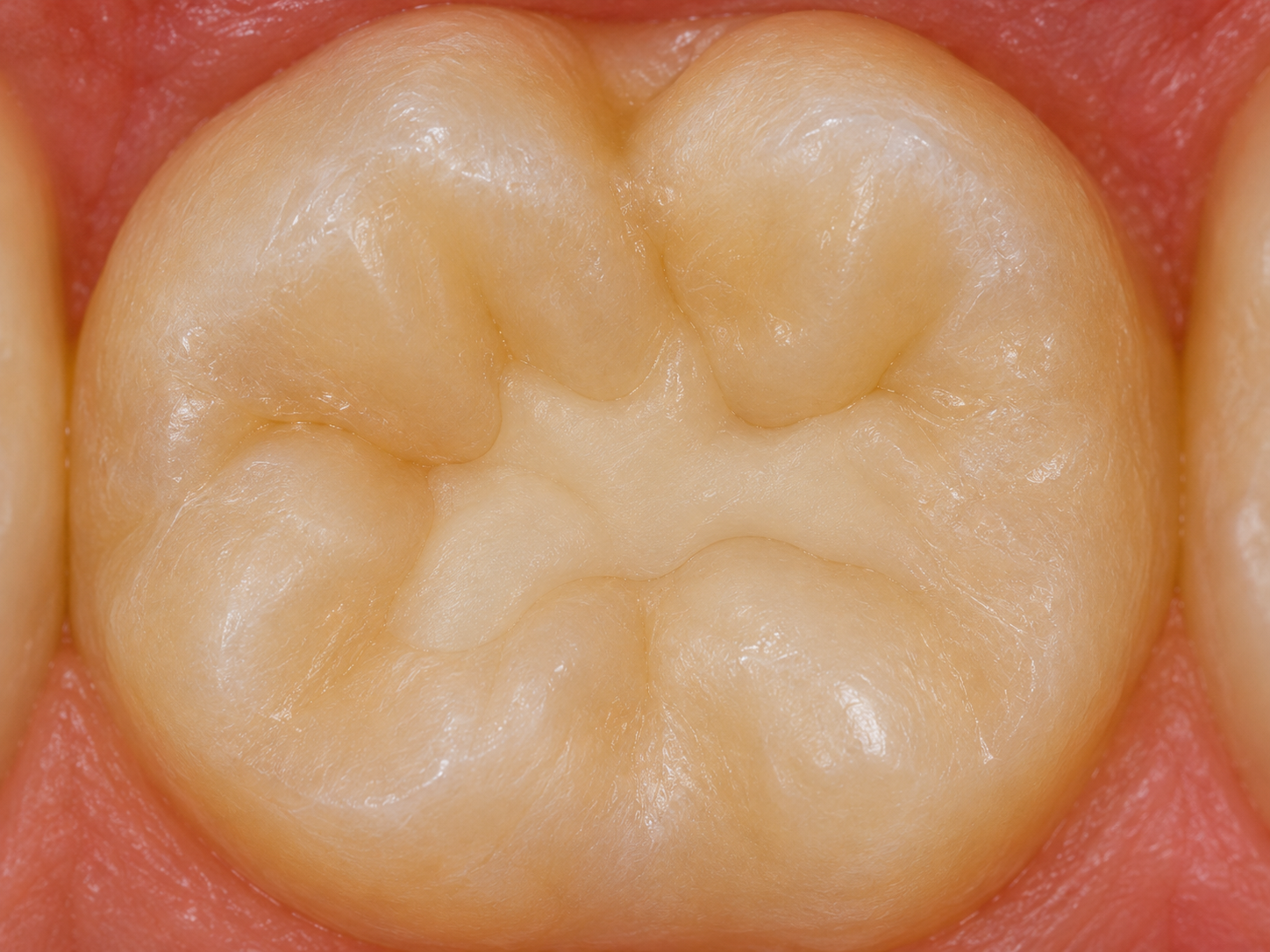
Glass ionomer. Glass ionomer is a tooth-colored dental cement that releases fluoride over time. A dentist may use it for a small filling in an area that takes little chewing pressure. [5]
Dental amalgam (silver-colored fillings). Dental amalgam, often called a silver filling, is used less often today as tooth-colored materials such as composite resin have become more widely available. It is made from a mixture of metals, including silver, tin, copper, and mercury. [4, 6]
What happens during a filling appointment
If you need numbing, your dentist will use a local anesthetic. For a cavity, the dentist removes decay and prepares the tooth for the filling. If composite resin is used, the dentist hardens it with a curing light. [1]
Once the filling is in place, the dentist shapes and smooths it. Before you leave, your dentist checks your bite and adjusts the filling if it keeps your upper and lower teeth from coming together comfortably. [1]
What to expect after a filling
If your mouth is still numb after the appointment, wait until you can feel your lips and cheeks again before chewing. This helps you avoid accidentally biting the inside of your mouth. [1]
The tooth may be sensitive to cold for a short time. Contact your dentist if the sensitivity gets worse or if the filled tooth touches first when you close your mouth. A filling that feels too high may need a small adjustment. [1]
Planning a dental filling appointment in Mexico
A composite filling can usually be placed in one visit. Before you travel, ask whether the clinic can examine the tooth, take any X-rays needed, and place the filling at the same appointment. If several teeth need treatment, ask whether the clinic can schedule them together. [1]
When you request an estimate, ask which filling material it covers, whether the price varies by the number of tooth surfaces being restored, and whether the exam and X-rays are billed separately.
Planning your return trip after fillings
If you’re having fillings in several teeth, consider staying one extra day. Check that the clinic will be open that day in case you need to return.
Once the numbness wears off, notice how your upper and lower teeth come together. If one tooth touches before the others or your bite feels uneven, call the clinic before heading home. Your dentist can check your bite and adjust the filling if needed. [1]
How long dental fillings last
A dental filling can last for years. Its lifespan depends on the material, the size and location of the filling, and how much pressure it receives when you chew. Clenching or grinding your teeth can put extra stress on the filling. [1]
During routine checkups, your dentist can look for wear, cracks, or new decay around the filling and determine whether it needs to be replaced. [1, 8]
When a tooth may need more than a filling
If decay or a fracture has weakened a large part of the tooth, your dentist may recommend an onlay or a crown. An onlay covers and protects part of the chewing surface. A dental crown fits over the prepared tooth and restores the shape of the natural crown, the part of the tooth above the gumline. [1, 7]
Caring for a tooth with a filling
A tooth can develop new decay around an existing filling. To help protect the tooth, brush twice a day and floss daily. Your dentist may also recommend a water flosser. [8, 9]
References
- [1]Cleveland Clinic. Dental Fillings Read source
- [2]American Association of Endodontists. Other Endodontic Treatment Options Read source
- [3]National Institute of Dental and Craniofacial Research. Dental Fillings Read source
- [4]American Dental Association. Composite Fillings Read source
- [5]American Dental Association. Materials for Direct Restorations Read source
- [6]American Dental Association. Dental Filling Options Read source
- [7]Cleveland Clinic. Dental Crowns Read source
- [8]National Institute of Dental and Craniofacial Research. Oral Hygiene Read source
- [9]American Dental Association. Water Flossers Read source