

Who Is a Good Candidate?
All-on-6 is often recommended for adults who are missing most or all of the teeth in one jaw, or whose remaining teeth cannot be saved. It may also be indicated for patients whose current denture is loose and who prefer a fixed prosthesis that remains securely in place. [1, 4]
All-on-6 may not be suitable for every patient. Patients need sufficient healthy jawbone to support the dental implants. The same health considerations apply as for any dental implant: periodontal disease (gum disease), uncontrolled diabetes, certain bone conditions and smoking may all affect healing. Because the extraction of multiple teeth is irreversible, it is reasonable to seek a second opinion before making a decision. [1, 5]
A fixed bridge requires careful daily cleaning, both underneath it and around the dental implants. For patients who would find this difficult, a removable option may be more suitable. [1]
Medical Conditions That Can Affect Success
All-on-6 treatment involves the surgical placement of dental implants and may include multiple tooth extractions during the same appointment. Your overall health and medical history are important factors in treatment planning and healing. [1, 5]
Inform your dentist of any medical conditions and bring a complete list of your current medications, including dosage. [6]
Diabetes
Well-controlled diabetes generally does not prevent patients from receiving dental implants. However, poorly controlled blood sugar levels may delay healing, increase the risk of infection, and affect the long-term success of dental implants. [4, 5, 7]
Patients with diabetes should inform their dentist of their condition and provide their most recent HbA1c test results to assist with treatment planning. [7]
Smoking and Vaping
Smoking and vaping may interfere with healing following dental implant surgery and increase the risk of complications, including impaired osseointegration (the process by which the implant integrates with the surrounding bone) and implant failure. [5, 6]
Patients should inform their dentist of any smoking or vaping habits, as these may affect treatment outcomes. [4, 5]
Gum Disease (Periodontal Disease)
Active or untreated periodontal disease can damage the gums and supporting bone, potentially compromising the success of dental implants. [5]
Periodontal disease should be evaluated and appropriately treated before dental implant placement to reduce the risk of complications and support long-term implant stability. [5]
Medications for Osteoporosis and Bone Cancer
Tell your dentist if you currently take or have previously taken medications such as bisphosphonates or denosumab for osteoporosis or cancer. These medications can increase the risk of a jawbone-healing complication called medication-related osteonecrosis of the jaw (MRONJ). The risk is low with osteoporosis treatment and higher with certain cancer treatment regimens. Your dentist should review your medication history before planning surgery. Do not stop these medications on your own. [8, 9, 10]
Previous Radiation Therapy to the Head or Neck
Radiation therapy to the head or neck may affect blood circulation and healing in the jawbone, potentially increasing the risk of complications following dental implant surgery, even years after treatment. [8, 11]
Patients should inform their dentist of any previous radiation therapy, including the area treated, when treatment occurred, and the radiation dose, if known. [11]
Blood Thinners (Anticoagulants and Antiplatelet Medications)
Blood-thinning medications may increase the risk of bleeding during or after dental procedures, particularly extensive oral surgeries involving multiple tooth extractions, dental implant placement, or bone grafting. [12]
Depending on the type of medication, the patient’s medical history, and the complexity of the procedure, the dental surgeon may consult with the prescribing healthcare provider to determine whether any medication adjustments are appropriate. [12]
Many dental procedures can be performed safely without discontinuing blood-thinning medications, as bleeding can often be controlled using local measures. However, more extensive surgical procedures may require additional evaluation and individualized treatment planning. [12]
Patients must inform their dentist of all blood-thinning medications they take, including the medication name and dosage. Patients should never discontinue or adjust these medications without authorization from the prescribing healthcare provider, as doing so may increase the risk of serious complications, including blood clots, stroke, or heart attack. [12]
Autoimmune Conditions and Immunosuppressive Medications
Certain autoimmune conditions and medications that suppress the immune system may affect healing following dental surgery and increase the risk of infection or delayed recovery. [5]
Many patients with autoimmune conditions can successfully receive dental implants. However, treatment outcomes may depend on the specific condition, how well it is controlled, the medications being used, and the patient’s overall health. [5]
Patients should inform their dentist of any autoimmune conditions and medications they take, particularly corticosteroids, immunosuppressants, and biologic therapies. [5]
Heart Conditions and Artificial Joints
Certain heart conditions and, in select circumstances, artificial joint replacements may require preventive antibiotics before dental procedures to reduce the risk of infection. Patients should inform their dentist of these conditions to ensure appropriate treatment planning. [6]
Teeth Grinding or Clenching (Bruxism)
Grinding or clenching your teeth can place excessive pressure on natural teeth, dental implants, and restorations, increasing the risk of damage or complications. Patients should inform their dentist of these habits, as protective measures, such as a night guard, may be recommended. [6, 13]
Benefits
Fixed implant-supported prostheses may improve patient satisfaction and quality of life compared with removable dentures in appropriately selected patients. [14]
When teeth are attached shortly after surgery (immediate loading), patients may avoid an extended period without teeth. [14]
However, these benefits depend on the individual case and are not guaranteed.
How Does It Work?
Step 1
Examination and 3D scan
The dentist evaluates the patient’s overall health, remaining teeth and jawbone, usually with a cone-beam CT (3D) scan, and plans where the six dental implants will be placed. [6, 15]
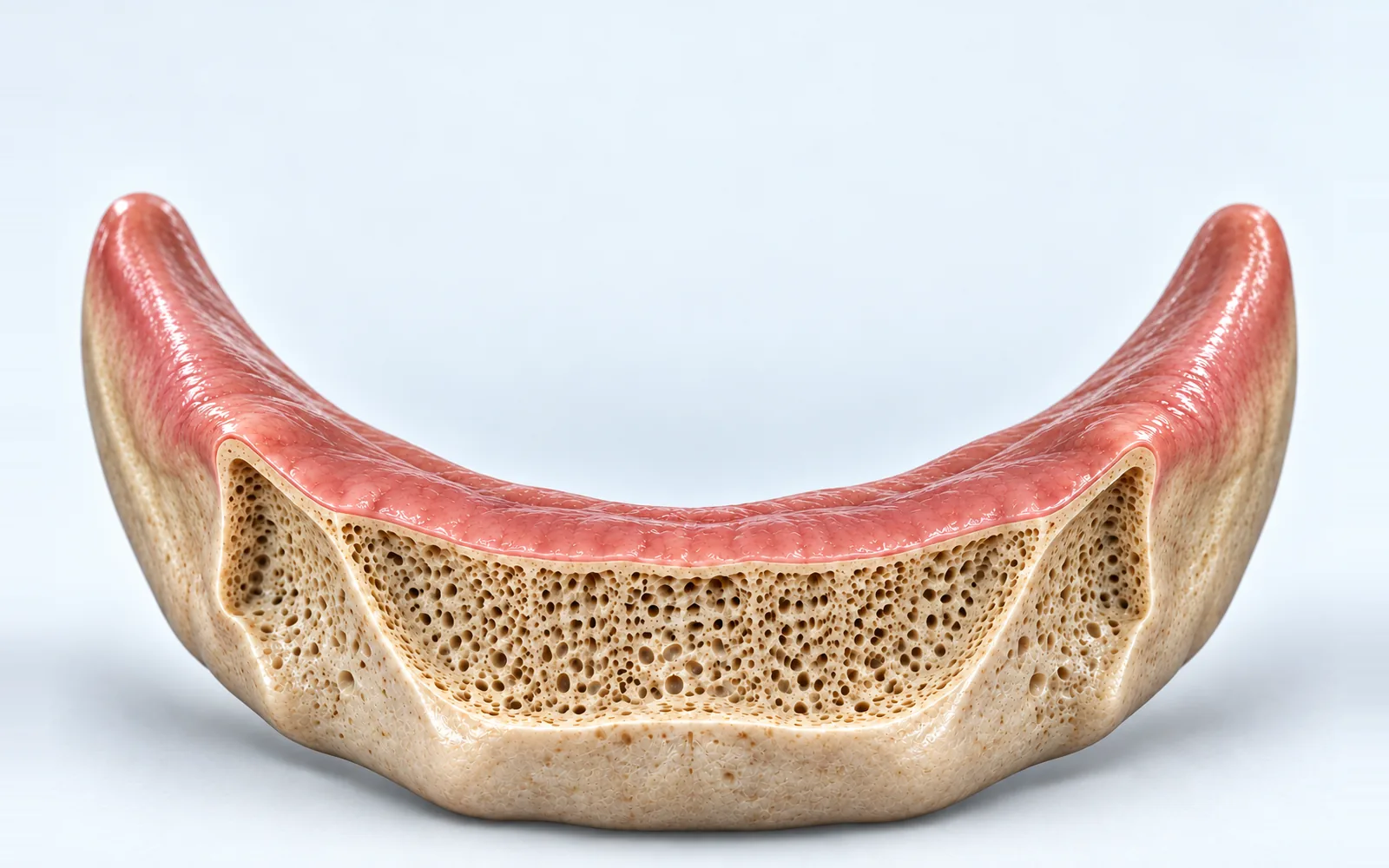
An edentulous lower jaw (no remaining teeth) · AI-generated illustration · MexicoDentalTreatment.com Step 2
Surgery
If All-on-6 treatment is selected, any remaining natural teeth in the arch being treated are typically extracted, often during the same appointment as implant placement. Six dental implants are then surgically placed in the jawbone. Patients are advised to follow a soft-food diet during the healing period. [1, 6]
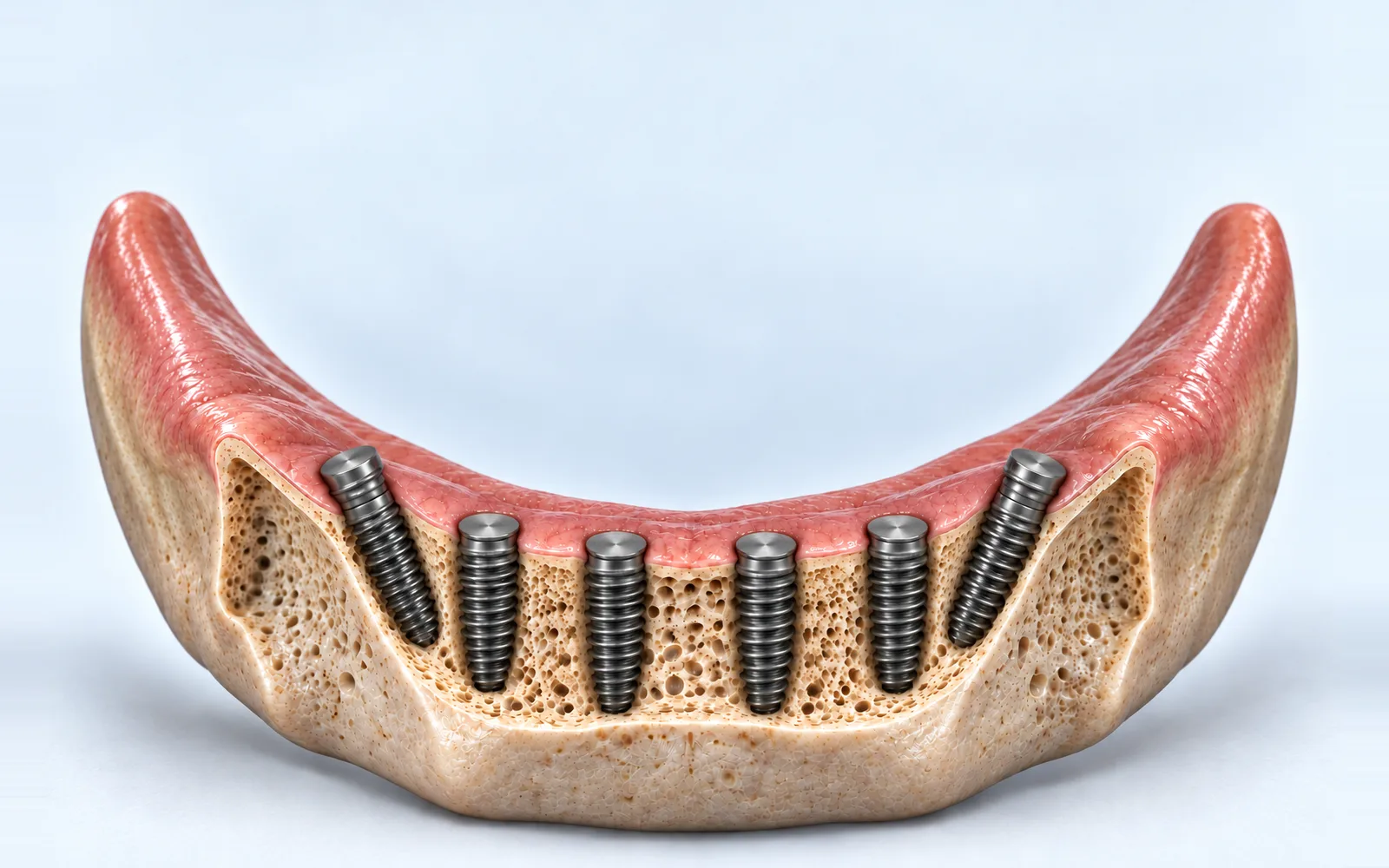
Six dental implants placed in the jawbone · AI-generated illustration · MexicoDentalTreatment.com Step 3
Abutments and temporary teeth
Abutments (short connectors) go on the implants. Clinics may attach a temporary fixed set of teeth to them the same day or within a few days. [14, 16, 17]
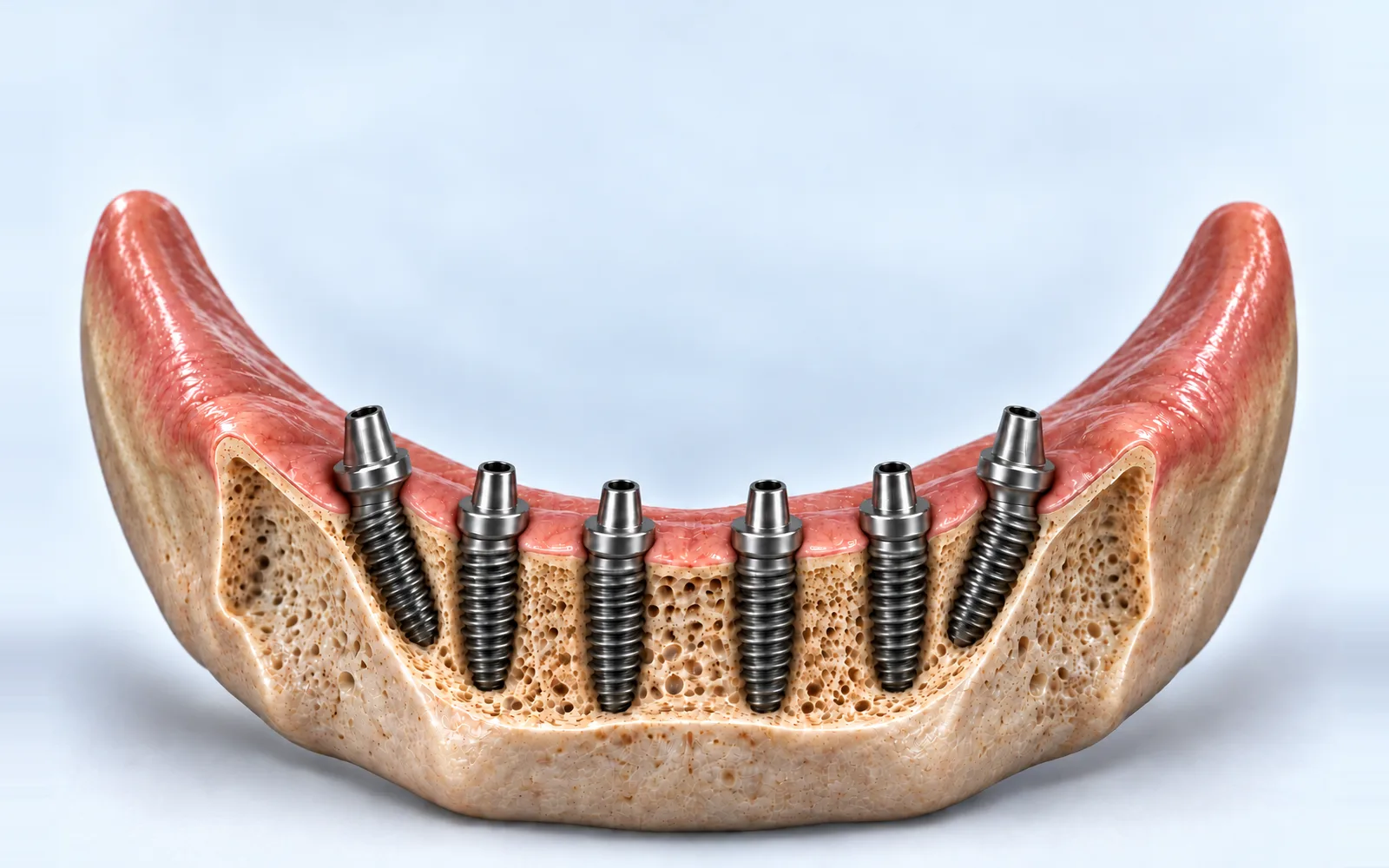
Abutments (short connectors) attached to the dental implants · AI-generated illustration · MexicoDentalTreatment.com Step 4
Final teeth after healing
After the bone has healed around the implants (osseointegration), often about three to six months, the temporary teeth are replaced with the final set. [1]
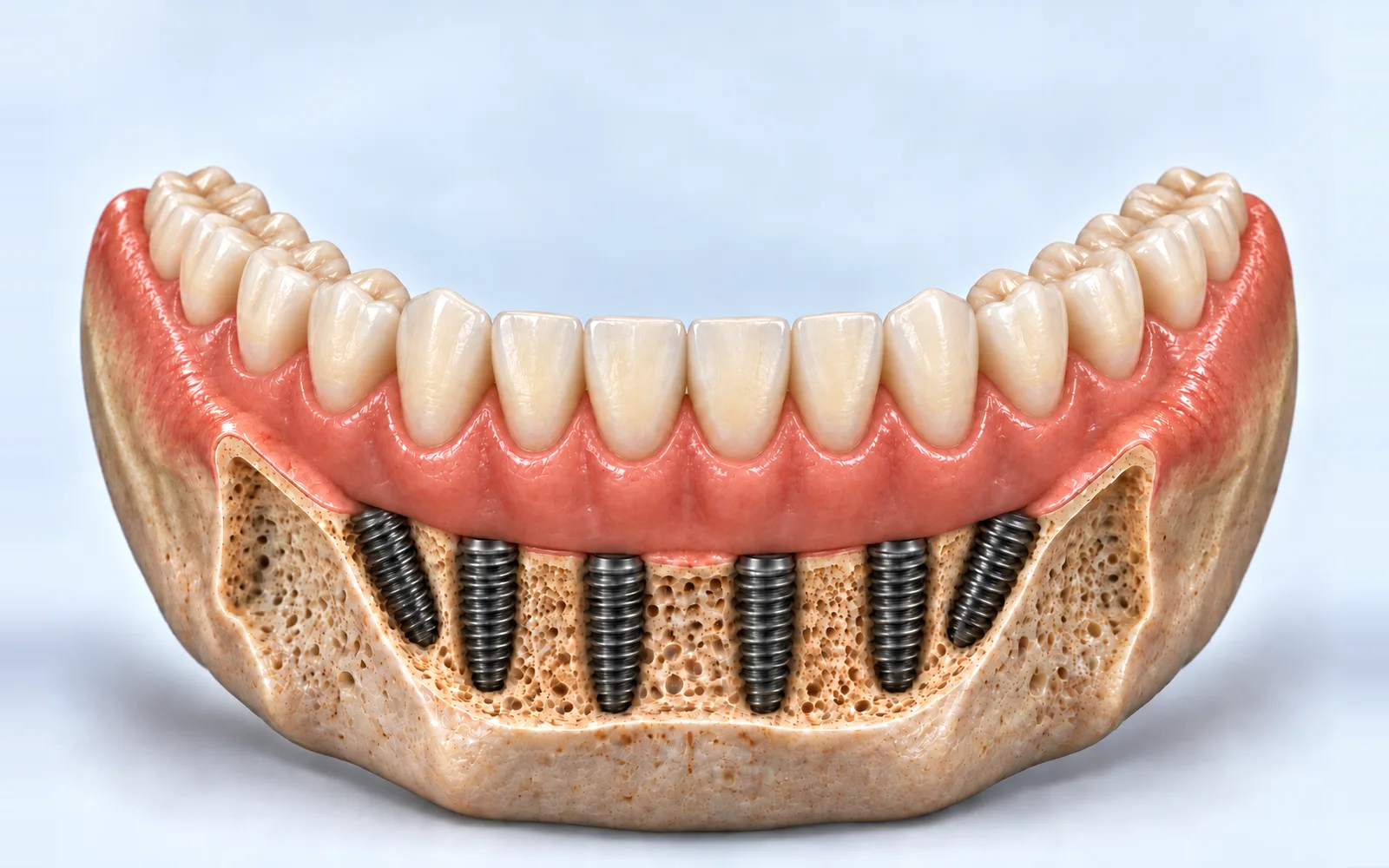
The fixed prosthesis attached to the dental implants · AI-generated illustration · MexicoDentalTreatment.com
What Happens During Surgery?
The surgery is performed under local anesthesia, and sedation may also be available. [5]
Steps 2 and 3 above describe the extractions, implant placement and the temporary teeth.
Will I Get Teeth the Same Day?
- When a temporary fixed bridge is attached on the day of surgery or shortly afterward (immediate loading), patients will have replacement teeth during the implant healing period.
- If the implants need to heal before supporting a fixed bridge, your dentist may recommend a removable temporary denture or a period without replacement teeth.
- Your dentist should explain the planned temporary option before surgery.
How Long Does Treatment Take?
Most patients make two trips to Mexico, a few months apart: the first for the surgery and temporary teeth, and the second for the final teeth. Patients should plan to stay several days on each trip. Treatment plans may vary between clinics, so patients should ask their clinic for a personal timeline.
If bone grafting is needed, treatment may take longer.
Bridge Materials
The final bridge may have a titanium framework supporting acrylic or ceramic teeth, or it may be made primarily from zirconia, a type of ceramic. [14]
The materials used can affect the bridge’s strength, appearance, and repair options. [14]
More than one bridge material may be suitable for your treatment. Ask your dentist which options are available and how they compare in durability, appearance, maintenance needs, and cost.
All-on-6 cost in Mexico
All-on-6, acrylic/hybrid final teeth (including PMMA) in Los Algodones, Mexico: $11,100–$12,100 USD per arch (upper or lower), based on prices from 3 Los Algodones clinics; about 45–55% less than typical US prices.
What Changes the Price
- Whether treatment is for one arch (upper or lower) or both arches.
- The materials used for the final bridge, including its framework and prosthetic teeth, such as acrylic resin (including PMMA), zirconia, or porcelain.
- Whether the quote includes both the temporary and final bridges.
- The number of implants placed per arch—six for All-on-6, or a different number if a different full-arch approach is recommended.
- Whether tooth extractions or bone grafting are needed and included in the quote.
- Whether the CBCT scan, sedation, and prescribed postoperative medications are included in the quote.
Medications prescribed for surgery and recovery may include pain relievers and anti-inflammatory medications, antibiotics when prescribed, and a prescription antiseptic mouth rinse such as chlorhexidine. The medications vary with the patient’s needs and the surgeon’s protocol; every patient does not necessarily receive all of these.
How Long Does It Last?
Dental implants, with proper daily care and regular professional cleanings, can last for many years, potentially even a lifetime. However, the prosthetic teeth attached to the implants are subject to normal wear and may eventually require repairs or replacement. Their longevity depends on several factors, including the materials used, oral hygiene, and habits such as teeth grinding or clenching. [5, 6]
Risks and Complications
Some swelling, bruising, and minor bleeding are normal after dental implant surgery. [6]
Although serious surgical complications are uncommon, potential risks include infection, injury to nearby teeth or blood vessels, and nerve damage that may cause numbness, tingling, or pain in the lips, chin, gums, or teeth. [1, 6]
In the upper jaw, there is a small risk of sinus complications if an implant extends into the sinus cavity. [1, 6]
Over time, the implant-supported bridge may chip, fracture, or require repair or replacement. [5, 14]
One or more implants can fail to integrate with the jawbone or lose support over time. [6, 18]
Smoking and a history of periodontal disease (gum disease) are associated with an increased risk of dental implant failure, while poorly controlled diabetes may delay healing after surgery. [4, 6, 19, 20]
Peri-implantitis is an inflammatory disease around a dental implant that causes progressive loss of the bone supporting it. It is associated with bacterial plaque buildup. [18]
It differs from peri-implant mucositis, which involves inflammation of the surrounding gums without supporting bone loss. [21]
Recovery
Some discomfort and swelling are expected after surgery and can usually be managed with medication and postoperative care. Patients should follow a soft-food diet after surgery for the duration recommended by their dental team. It helps minimize discomfort, avoid trauma to the surgical sites, and reduce chewing forces during early healing.
Cleaning and Maintenance
The bridge and the dental implants should be cleaned daily, for example with a soft toothbrush, a water flosser or interdental brushes designed for implants. Regular examinations and professional cleanings are important, and during these visits the dentist may remove the bridge to clean it. Gum infection around the implants can lead to bone loss, so patients should contact a dentist promptly about any swelling, bleeding or mobility (looseness). [1, 6]
All-on-4 vs. All-on-6 vs. All-on-8
- All-on-4 →
A similar fixed prosthesis, supported by four implants instead of six. [1]
- All-on-8 →
A similar fixed prosthesis, supported by eight implants instead of six. [1, 3]
More implants are not automatically better. The appropriate number depends on the amount and quality of available bone, implant positioning, the planned bridge, and the forces placed on it. Additional implants may benefit some patients, but the goal is a well-supported restoration suited to each patient’s needs. [14]
An overview of systematic reviews found no review showing that All-on-4 performs worse than approaches using more implants, although the quality of the evidence was limited. [22]
Other Treatment Options to All-on-6
- Implant overdenture (snap-in denture) →
An implant overdenture (snap-in denture) is a removable denture that replaces all the teeth in one arch and is held in place by attachments connected to dental implants in the jawbone. The implants help keep the denture stable during chewing and speaking. It should be removed daily for cleaning. [1]
- Complete denture (full denture) →
A removable set of prosthetic teeth that rests on the gums and does not require implant surgery. [23, 24]
- Preserving natural teeth →
Periodontal therapy (gum treatment), root canal treatment and crowns can sometimes save teeth that may appear to be lost.
Questions to Ask Your Dental Clinic
- Does the quote include both the temporary and the final teeth?
- What material will be used for my final teeth, and why?
- Which implant brand do you use, and can a dentist in the US maintain or repair it in the future?
- Who will place the implants, and how many All-on-6 cases have they completed? Then check their license status on the clinic’s profile on Mexico Dental Treatment. We’ve verified many of the licenses in our directory. If a dentist’s license is marked “Not verified,” it means we couldn’t confirm it using the information available to us. To check a license yourself, see our guide How to Verify a Dentist’s Credentials in Mexico.
- How many trips will I need, and how long should I plan to stay each time?
- What happens if an implant does not integrate with the bone, or if the bridge breaks after I return home?
- Can the bridge be removed for professional cleaning, and how often is that recommended?
- What information do you need about my medical history and medications before the surgery?
Frequently asked questions
Is All-on-6 surgery painful?
Local anesthesia is used to prevent pain during surgery, although patients may feel pressure or vibration. Some discomfort and swelling are expected afterward and can usually be managed with medication and postoperative care. [5]
What if I cannot receive fixed temporary teeth?
If the implants need to heal before supporting a fixed bridge, your dentist may recommend a removable temporary denture or a period without replacement teeth. Your dentist should explain the planned temporary option before surgery.
Can All-on-6 implants fail?
Yes. One or more implants can fail to integrate with the jawbone or lose support over time. Smoking and a history of periodontal disease (gum disease) are associated with an increased risk of dental implant failure, while poorly controlled diabetes may delay healing after surgery. [4, 6, 18, 19, 20]
What can I eat after surgery?
A soft-food diet that requires little chewing is generally recommended after surgery. It helps minimize discomfort, avoid trauma to the surgical sites, and reduce chewing forces during early healing. Follow your dentist’s instructions on food choices and how long to continue this diet while the implants heal.
Can an All-on-6 bridge be removed?
Yes, but only by a dentist. The bridge may be removed when needed for professional cleaning, repairs, or replacement.
Is bone grafting required?
Not always. Whether bone grafting is needed depends on the amount and location of remaining jawbone, assessed through a clinical examination and a cone-beam CT (CBCT) scan. [14, 15]
Is a surgical guide required?
Not always. All-on-6 implants can be placed with or without a surgical guide. Whether a guide is recommended depends on the patient’s anatomy, the treatment plan, and the clinician’s assessment.
Words to know
- Arch:
- Arch is the curved row of teeth in the upper (maxilla) or lower (mandible) jaw.
- Bridge (fixed denture):
- a complete set of prosthetic teeth made in one piece and attached to the dental implants.
- PMMA:
- polymethyl methacrylate, a strong acrylic resin used for implant-supported teeth.
Supporting sources
This guide is based on information from the sources listed below. These organizations are cited for reference only and have not reviewed or endorsed this content.
- [1]Cleveland Clinic. Implant-Supported Dentures. Read source · read Oct 23, 2026
- [2]Wentaschek S, Hartmann S, Walter C, Wagner W. (2017). Six-implant-supported immediate fixed rehabilitation of atrophic edentulous maxillae with tilted distal implants. International Journal of Implant Dentistry, 3(1), 35. DOI: 10.1186/s40729-017-0096-0 Read Study
- [3]Peñarrocha-Oltra D, Covani U, Peñarrocha-Diago M, Peñarrocha-Diago M. (2014). Immediate loading with fixed full-arch prostheses in the maxilla: review of the literature. Medicina Oral, Patología Oral y Cirugía Bucal, 19(5), e512–e517. DOI: 10.4317/medoral.19664 Read Study
- [4]American Dental Association (MouthHealthy). Implants. Read source · read Oct 23, 2026
- [5]Cleveland Clinic. Dental Implants. Read source · read Oct 23, 2026
- [6]Mayo Clinic. Dental implant surgery. Read source · read Oct 23, 2026
- [7]Naujokat H, Kunzendorf B, Wiltfang J. (2016). Dental implants and diabetes mellitus—a systematic review. International Journal of Implant Dentistry, 2(1), 5. DOI: 10.1186/s40729-016-0038-2 Read Study
- [8]Cleveland Clinic. Osteonecrosis of the Jaw (ONJ). Read source · read Oct 23, 2026
- [9]American Dental Association. Oncology Agents and Medication-Related Osteonecrosis of the Jaw. Read source · read Oct 23, 2026
- [10]American Dental Association. Osteoporosis Medications and MRONJ. Read source · read Oct 31, 2026
- [11]Cleveland Clinic. Osteoradionecrosis Treatment. Read source · read Oct 23, 2026
- [12]American Dental Association. Oral Anticoagulant and Antiplatelet Medications and Dental Procedures. Read source · read Oct 23, 2026
- [13]Cleveland Clinic. Dental Crowns. Read source · read Nov 12, 2026
- [14]Huber BR, Walser N, Gamma T, Metzler P. (2026). All-on-Four rehabilitation: A systematic review of clinical management, workflow and complications. Dentistry Journal, 14(9), 541. DOI: 10.3390/dj14090541 Read Study
- [15]Benavides E, Krecioch JR, Allareddy T, et al. (2026). American Dental Association and American Academy of Oral and Maxillofacial Radiology patient selection for dental radiography and cone-beam computed tomography: Clinical recommendations. Oral Surgery, Oral Medicine, Oral Pathology and Oral Radiology, 141(3), 273–287. DOI: 10.1016/j.oooo.2025.11.013 Read Study
- [16]Maló P, Rangert B, Nobre M. (2003). "All-on-Four" immediate-function concept with Brånemark System implants for completely edentulous mandibles: a retrospective clinical study. Clinical Implant Dentistry and Related Research, 5(Suppl 1), 2–9. DOI: 10.1111/j.1708-8208.2003.tb00010.x Read Study
- [17]Patzelt SB, Bahat O, Reynolds MA, Strub JR. (2014). The all-on-four treatment concept: A systematic review. Clinical Implant Dentistry and Related Research, 16(6), 836–855. DOI: 10.1111/cid.12068 Read Study
- [18]Peri-implant diseases and conditions: Consensus report of workgroup 4 of the 2017 World Workshop on the Classification of Periodontal and Peri-Implant Diseases and Conditions. Journal of Periodontology (peer-reviewed). Read Study
- [19]Smoking and dental implants: A systematic review and meta-analysis. Journal of Dentistry (peer-reviewed). Read Study
- [20]Periodontally compromised vs. periodontally healthy patients and dental implants: a systematic review and meta-analysis. Journal of Dentistry (peer-reviewed). Read Study
- [21]Peri-implant mucositis. Journal of Periodontology (peer-reviewed). Read Study
- [22]Figueiredo CE, de Oliveira NE, Cassimiro G, et al. (2025). Rehabilitation of edentulous jaws using the "All-on-Four" treatment concept: An overview of systematic reviews. Oral and Maxillofacial Surgery, 30(1), 6. DOI: 10.1007/s10006-025-01492-7 Read Study
- [23]Cleveland Clinic. Dentures. Read source · read Oct 23, 2026
- [24]American Dental Association (MouthHealthy). Dentures. Read source · read Oct 23, 2026
Medical Disclaimer
This page is provided for educational purposes only and is not a substitute for professional dental advice, diagnosis, or treatment.
Whether All-on-6 is appropriate depends on each patient’s anatomy, oral health, medical history, and treatment needs.
Consult a qualified dental professional for a personalized evaluation before undergoing treatment.